Jewellery2 min readUpdated
On-model jewellery photos without booking a shoot
An on-model jewellery photo shows a piece worn by a person, and its main job is to answer the question a plain product shot cannot: how large the piece actually is.
Early access — jewellery support is in development. Garment and ethnic-wear catalogues are available today.
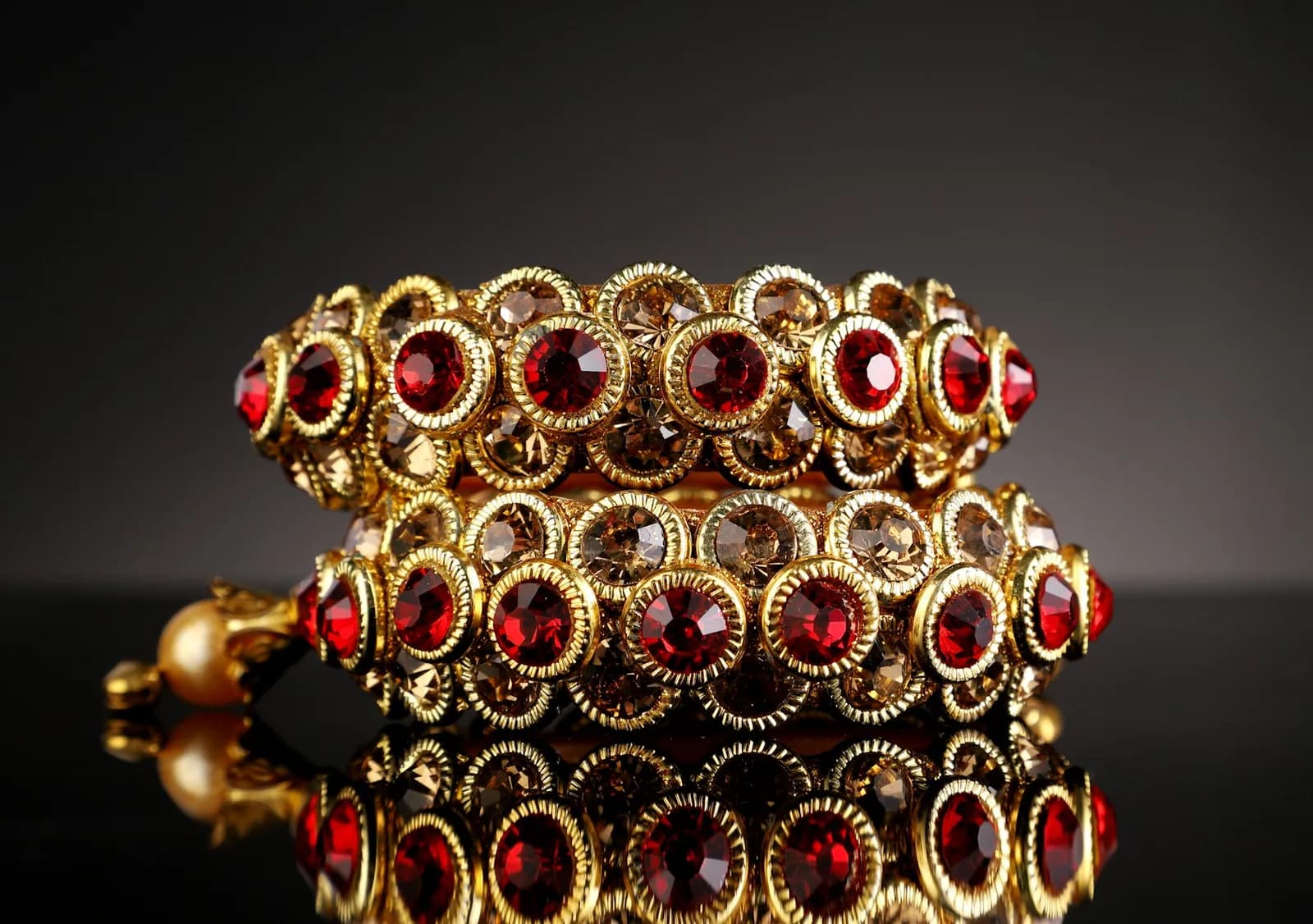
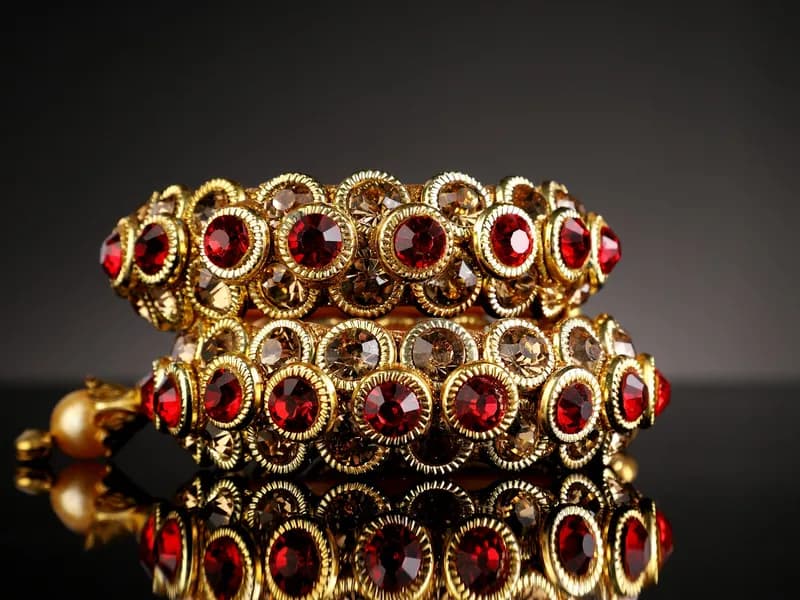
Scale is the question that stops jewellery orders. A jhumka photographed alone on grey card could be three centimetres or eight. Buyers who cannot tell either ask, which costs you a reply and a delay, or they do not order at all.
That is the specific job of an on-model image, and it is why marketplaces keep a secondary image slot available even when the main image must be on a plain background.
Booking that shoot conventionally is the expensive part. Fashion shoot days in India are commonly quoted at ₹15,000–₹50,000 and yield only 30–50 usable images (CatalogX), with model fees quoted separately at around ₹3,000–₹8,000 per session. For a seller adding designs weekly, that cost does not amortise.
How it works with Dekhlo
Start from one real photo
Photograph the product as it actually is, on a phone, in whatever light you have. The source does not need a studio, a backdrop or a professional model — it needs to be a true record of the item you will ship.
Choose the look
Pick the aesthetic and add any art direction. The model, pose, backdrop and lighting are the parts free to change; the product's own design, colour and construction are held steady.
Compare against your original
Every generated image is shown next to the photo you uploaded, so you can reject anything that has drifted. Nothing is published automatically — you select what is accurate enough to sell.
Publish and share
Export the selected images, or publish them as a shareable product page with a WhatsApp enquiry button, so a buyer can go from the image to a conversation in one tap.
Questions sellers ask
Do on-model photos actually increase jewellery sales?
They address the objection that most often stops a jewellery order, which is scale. A piece photographed alone gives a buyer no reliable sense of size. Seeing it worn resolves that in a glance, which is why marketplaces keep a secondary slot for exactly this kind of image.
Can I use an on-model image as my main listing photo?
Usually not. Most marketplaces require the main image to show the product on a plain background so listings stay comparable in a grid. On-model images belong in the secondary slots, where they add the context the main image deliberately leaves out.
Do I need to disclose AI-generated models?
On Amazon, yes. Amazon's guidance requires photorealistic AI-generated people to be disclosed, tagged as containing a synthetic performer in the image metadata. Rules differ by marketplace and change, so check the current policy for each platform you list on before publishing.
Will an on-model image change how my jewellery looks?
It should not, and that is the thing to check. The setting, the person and the lighting are what the image adds. The piece's stone layout, plating tone and design must survive unchanged, because that is what the buyer is actually ordering.
Start from a photo you already have
Upload one real photo of the product and review the results against your original before anything is published. New studios start with 50 free credits.