Ethnic wear2 min readUpdated
Saree model photos without booking a model
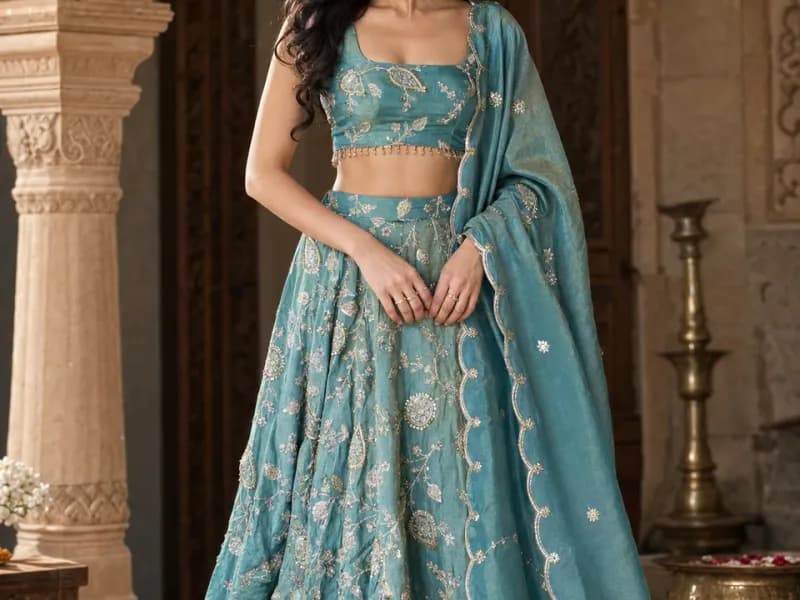
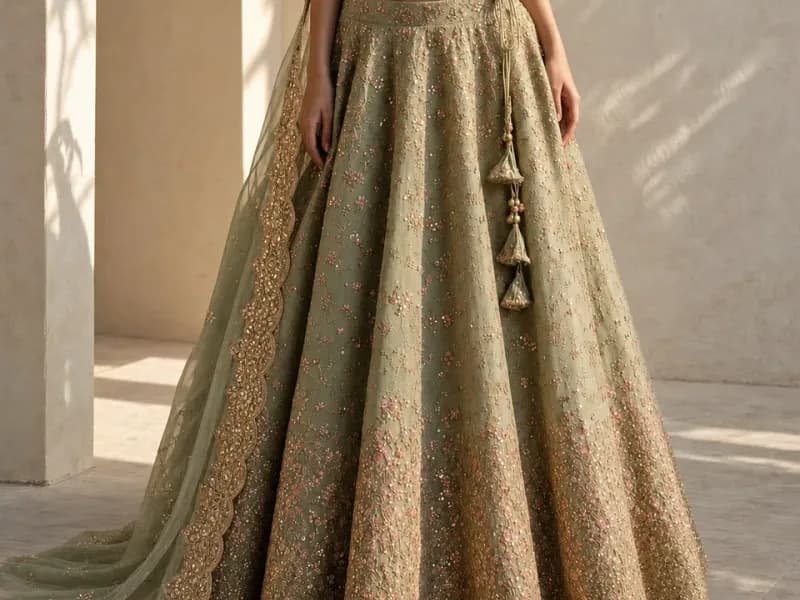
A saree model photo shows a saree worn by a person, and it exists to communicate drape — how the pleats sit and where the pallu falls — which a flat or folded photo cannot.
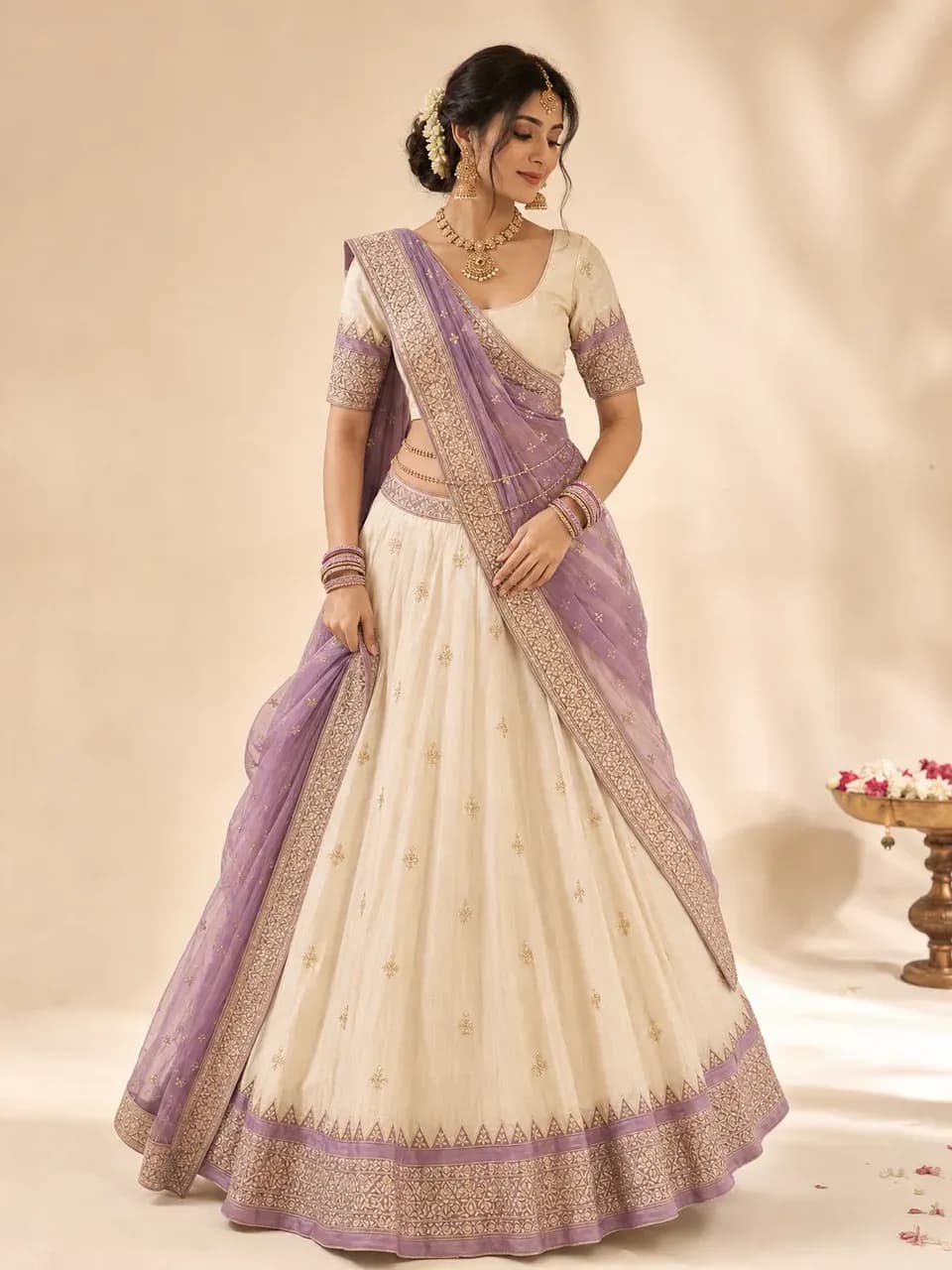
The reason on-model saree images convert better is not glamour. It is information. A worn saree tells a buyer how the fabric falls, how heavy it is, how the border sits at the hem and how the pallu behaves over the shoulder. Those are the properties a buyer is trying to judge and cannot get from a folded photo.
The conventional way to get them is a shoot day, which in India is commonly quoted at ₹15,000–₹50,000 for 30–50 usable images (CatalogX), with model fees quoted separately at roughly ₹3,000–₹8,000 per session. For a seller adding several new designs a week, that arithmetic does not work.
What matters when producing these another way is that the saree survives intact. The model, the setting and the light may change. The weave, the border, the pallu work and the colour may not.
How it works with Dekhlo
Start from one real photo
Photograph the product as it actually is, on a phone, in whatever light you have. The source does not need a studio, a backdrop or a professional model — it needs to be a true record of the item you will ship.
Choose the look
Pick the aesthetic and add any art direction. The model, pose, backdrop and lighting are the parts free to change; the product's own design, colour and construction are held steady.
Compare against your original
Every generated image is shown next to the photo you uploaded, so you can reject anything that has drifted. Nothing is published automatically — you select what is accurate enough to sell.
Publish and share
Export the selected images, or publish them as a shareable product page with a WhatsApp enquiry button, so a buyer can go from the image to a conversation in one tap.
Questions sellers ask
Can I get on-model saree photos without hiring a model?
Yes. On-model images can be produced from a photograph of the saree itself, with the setting and the person generated around it. The requirement is that the garment stays accurate — its colour, border, pallu work and weave are what the buyer is ordering and must not drift.
Will the saree still look like my actual saree?
That is the thing to verify rather than assume. Generated images should be compared against your original photo before you publish, and anything where the pattern, border or colour has shifted should be discarded. Fidelity is checked by review, not promised in advance.
Is it legal to use AI-generated models in listings?
Policies vary by platform and change. Amazon requires photorealistic AI-generated people to be disclosed in the image metadata. Meesho takes a stricter line on AI-generated product imagery. Check the current rules for each marketplace before publishing, and keep AI people out of main listing images.
How many on-model images does a saree listing need?
One good full-length drape image does most of the work, supported by a pallu frame and a border detail. Beyond that you get diminishing returns — buyers are looking for drape, the pallu design and true colour, and three or four well-chosen frames cover all three.
Start from a photo you already have
Upload one real photo of the product and review the results against your original before anything is published. New studios start with 50 free credits.