Ethnic wear3 min readUpdated
Photographing kurtis and lehengas for online selling
Kurti and lehenga photography is the practice of shooting stitched ethnic wear so that its fit, fall and embroidery read accurately to an online buyer choosing a size.
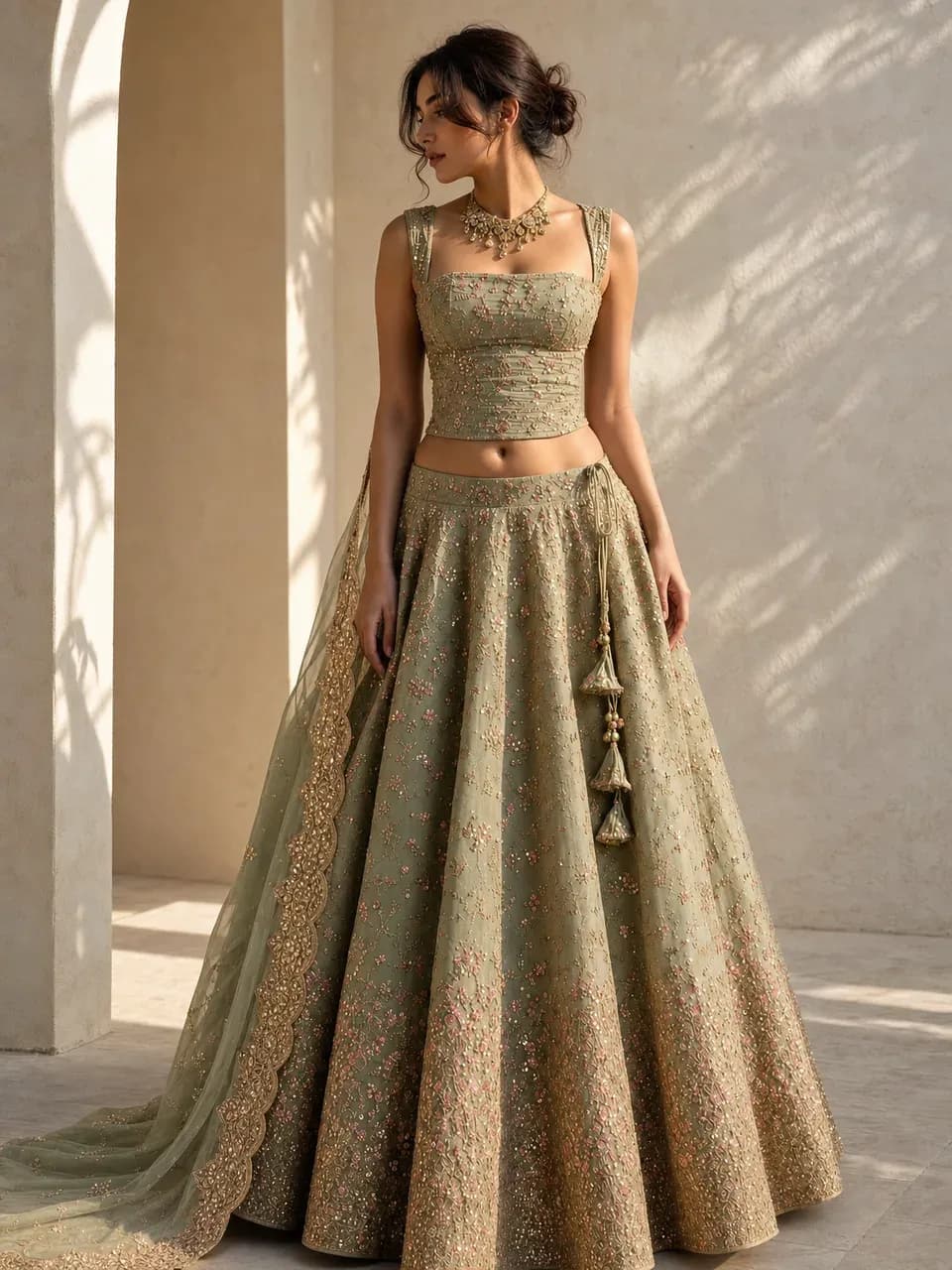
Stitched ethnic wear carries a problem sarees do not: size. A buyer is not only judging whether they like the piece, they are judging whether it will fit — and the images are the only evidence they have.
That makes fit and fall the load-bearing information in a kurti or lehenga listing, and it is why flat-lays underperform. A kurti photographed flat hides the shape of the shoulder, the fall of the flare and the length against a body.
It matters commercially because apparel returns in India are the highest of any retail category — Coresight reported fashion returns at 24.4% in 2023 — and size and fit sit alongside colour as the most common reasons.
Images a stitched ethnic listing needs
- Full front
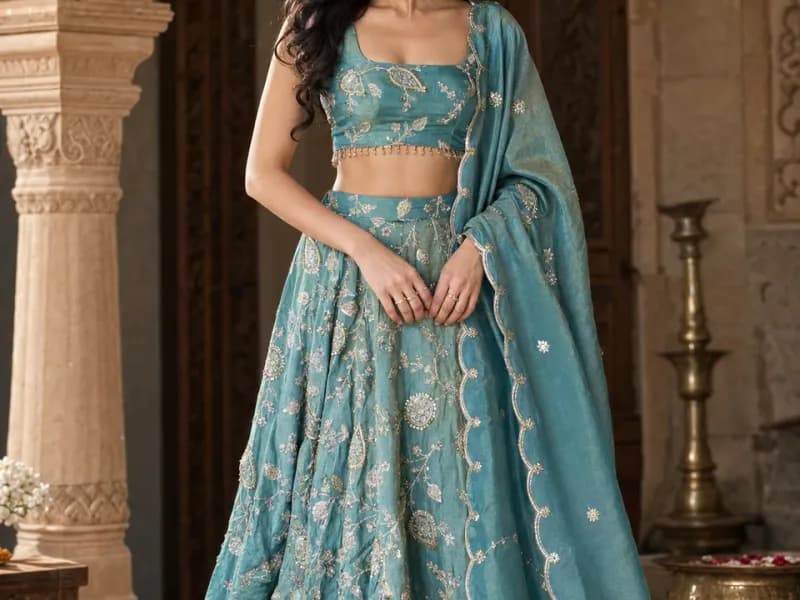
- The whole garment on a body or form, head to hem, so flare and length are visible in proportion.
- Back
- Particularly for lehengas and anarkalis, where the back panel, dori and latkan are part of what is being sold.
- Embroidery detail
- A close frame in side light. Thread work and mirror work need angled light to show texture rather than reading flat.
- Fabric drape
- A frame showing the fabric in motion or gathered, so the buyer can judge weight and fall.
- Dupatta
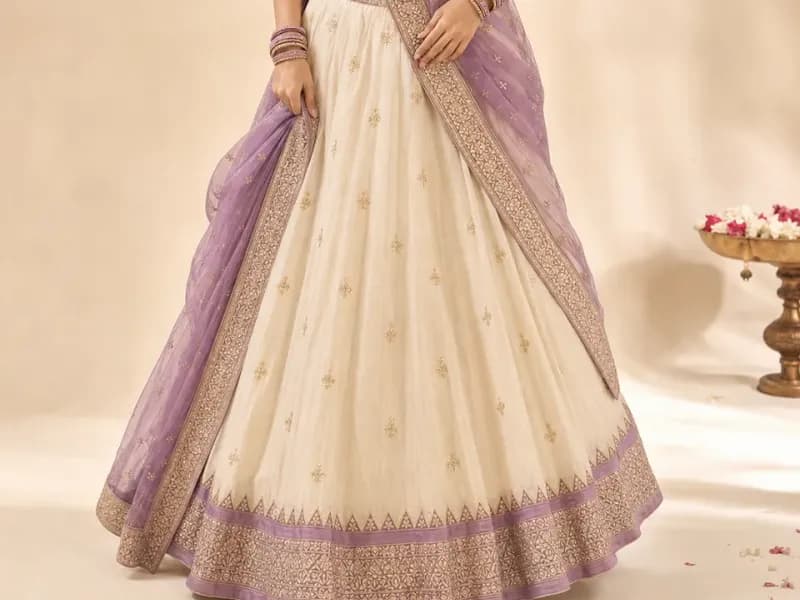
- Shown separately, with its length and finish stated. A dupatta shown only draped hides its actual size.
- Size reference
- State measurements in the listing text. Photographs alone cannot carry size, and size mismatch is a leading return driver.
How it works with Dekhlo
Start from one real photo
Photograph the product as it actually is, on a phone, in whatever light you have. The source does not need a studio, a backdrop or a professional model — it needs to be a true record of the item you will ship.
Choose the look
Pick the aesthetic and add any art direction. The model, pose, backdrop and lighting are the parts free to change; the product's own design, colour and construction are held steady.
Compare against your original
Every generated image is shown next to the photo you uploaded, so you can reject anything that has drifted. Nothing is published automatically — you select what is accurate enough to sell.
Publish and share
Export the selected images, or publish them as a shareable product page with a WhatsApp enquiry button, so a buyer can go from the image to a conversation in one tap.
Questions sellers ask
Should kurtis be photographed flat or on a model?
On a model or a dress form. A flat kurti hides the shoulder shape, the fall of the flare and the length against a body — the three things a buyer uses to judge fit. Flat-lays work as a supporting image but underperform as the primary one.
How do I photograph embroidery so the detail shows?
Light it from the side rather than straight on. Thread work, zardozi and mirror work are three-dimensional, so they need angled light to cast the small shadows that reveal texture. Front-on light, especially flash, flattens embroidery into a printed-looking surface.
What causes most returns on ethnic wear listings?
Size and colour mismatches. Apparel carries the highest return rate of any retail category in India, reported by Coresight at 24.4% for fashion in 2023. Accurate colour frames and stated measurements in the listing text reduce both more reliably than better styling does.
Do I need different photos for each colour variant?
Yes, if the colours genuinely differ. Reusing one colour's photos for another variant is the fastest route to a return, because colour is what the buyer believes they ordered. It can also breach marketplace listing rules on accurate representation.
Start from a photo you already have
Upload one real photo of the product and review the results against your original before anything is published. New studios start with 50 free credits.