Ethnic wear3 min readUpdated
Ghost mannequin or on-model: which sells ethnic wear?
Ghost mannequin photography shows a garment on an invisible form so only the clothing is visible; on-model photography shows it worn by a person. On-model images give buyers drape, scale and styling cues, which is why fashion listings lean on them, while mannequin shots are cheaper and more uniform.
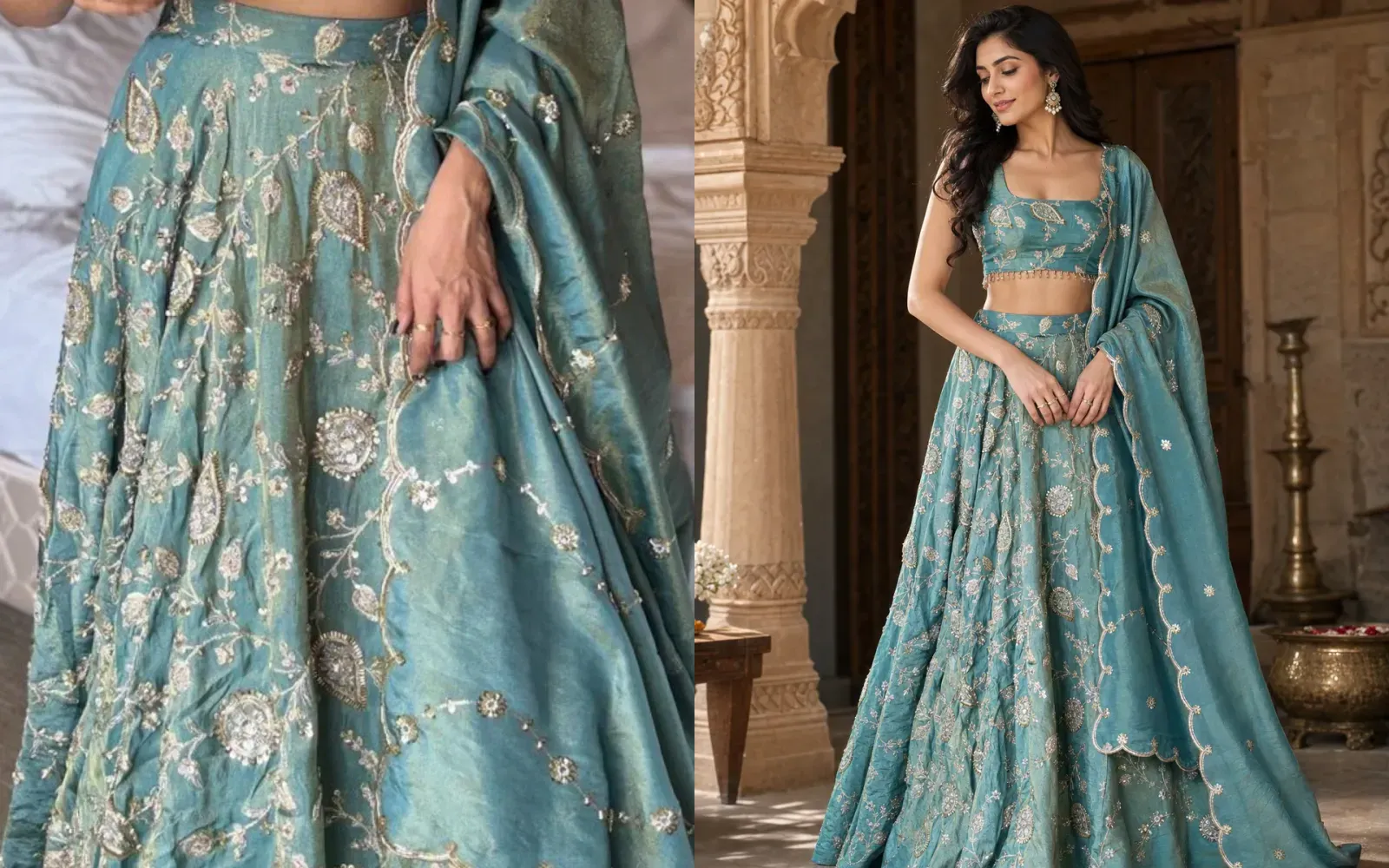
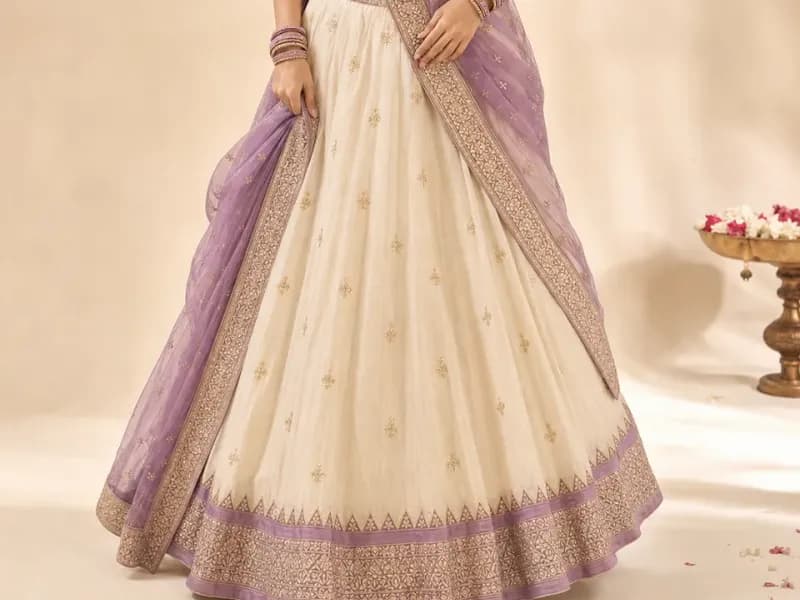
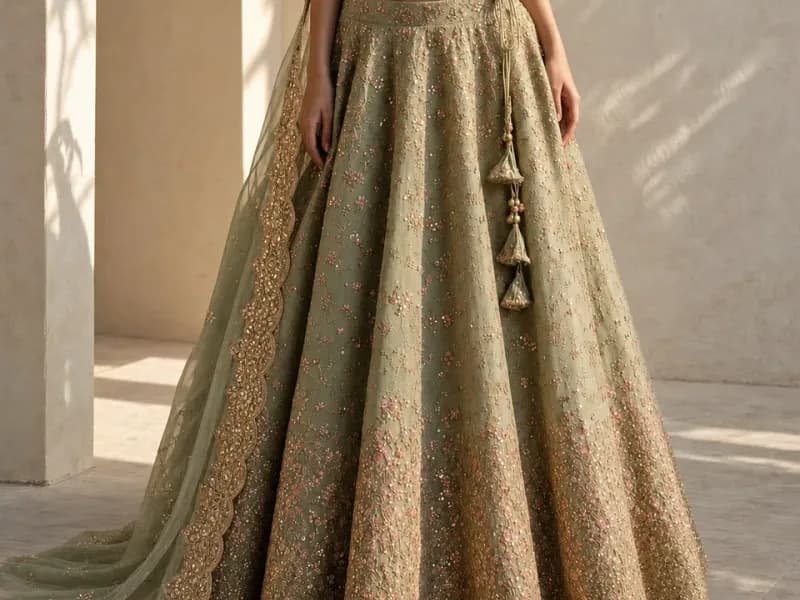
For ethnic wear the question is sharper than for a T-shirt. A saree's fall, a lehenga's flare and a dupatta's drape only exist on a body. A ghost mannequin records the garment accurately and tells the buyer almost nothing about how it moves, which is what they are paying for.
Cost pushes the other way. Published 2026 figures put a retouched ghost-mannequin image at roughly $20–$50, against $3,500–$6,000 or more for a model campaign once agency, stylist, hair, makeup and studio are counted (Photta, September 2026; US rates). Product images are also where buyers start: in Baymard Institute usability testing cited by the same source, exploring the images was the first action for 56% of users on a product page.
Marketplaces allow both. Amazon prefers ghost mannequins over visible ones and permits standing models for adult apparel; Flipkart lets a model image lead for fashion when the background is plain. Which you use is a decision about conversion and budget, not compliance.
Ghost mannequin versus on-model, for ethnic wear
Where each one earns its place.
- What it shows
- Mannequin: the garment's cut, length and construction with nothing in the way. On-model: drape, movement, scale against a body, and the styling a buyer will copy.
- Best for
- Mannequin: the compliant main image, size charts, blouse and kurta construction. On-model: the second image, the storefront cover, WhatsApp forwards and Instagram.
- Cost
- Mannequin: ₹ hundreds per image in India for shooting plus retouching (the neck-join edit is skilled work). On-model: a day rate plus the model, stylist and makeup (Zeands, July 2026; Photta, 2026).
- Consistency
- Mannequin wins. Every garment sits on the same form at the same angle, which makes a catalogue read as one range.
- Returns risk
- Mannequin images under-sell drape and can surprise a buyer with volume; on-model images over-sell if the model's build differs from the buyer's. Show both and the gap closes.
- One photo, both outputs
- A clean mannequin or flat photo is a strong source for restaging on a model, because the garment is already isolated with true edges and colour. Check the output against the source before listing.
Photta's cost figures are US market rates; Indian studio rates for white-background work are covered in the cost guide linked below.
Questions sellers ask
What is ghost mannequin photography?
A technique where a garment is photographed on a mannequin from the front and again inside-out on the neck or back, then the two frames are combined so the mannequin disappears. The result shows the garment's full shape with nothing wearing it, which is why it is also called invisible mannequin.
Do on-model photos sell clothes better than mannequin photos?
For garments whose appeal is drape and movement, such as sarees and lehengas, on-model images show what a mannequin cannot. Product images are the first thing most shoppers explore, according to Baymard Institute testing cited by Photta (2026). Conversion figures vary by brand; treat any single number with caution.
Which is cheaper, ghost mannequin or model photography?
Ghost mannequin, by a wide margin. Published 2026 figures put a retouched mannequin image at $20–$50, while a model shoot runs to $3,500–$6,000 or more per campaign once the model, stylist, makeup and studio are included (Photta, September 2026). Indian studio rates are lower but the ratio holds.
Does Amazon allow ghost mannequin images?
Yes, and seller guidance says it prefers ghost or invisible mannequins over visible ones for the main image. Adult apparel may also be shown on a standing model with the garment clearly visible. Children's clothing must be shown flat or on a hanger (SellHound, 2026).
Can I turn a mannequin photo into an on-model photo?
A clean mannequin or flat photo is a good source for restaging the garment on a person, because it is already isolated with accurate edges and colour. The garment's design, length and details must survive unchanged; compare the output to the source and reject anything that has drifted before you list it.
Start from a photo you already have
Upload one real photo of the product and review the results against your original before anything is published. New studios start with 50 free credits.